Video content creation services help turn product knowledge into useful finished videos. For a product-led company, that can mean YouTube videos, software tutorials, app demos, explainers, onboarding clips, sales videos, help-center embeds, and social cutdowns.
The goal is not to make more video for the sake of activity. The goal is to decide which customer questions, workflows, launch moments, and sales conversations need a clear video answer.
What Video Content Creation Services Include
A video content partner can help with planning, scripts, screen capture, filming, editing, motion graphics, voiceover, captions, thumbnails, metadata, exports, and versioning.
The exact scope depends on the job. A two-minute app demo needs a different plan than a training library, a YouTube series, or a sales video built around a technical product.

Video Content Agency vs. Video Production Company
The terms overlap, but the work is not always the same. A production company may focus on making the video. A video content agency may also help decide what should be made, how the videos fit together, and where each asset should be used.
| Need | Best-fit partner | What to ask for |
|---|---|---|
| You already know the video you need. | Video production company | Production plan, schedule, edit scope, captions, exports, and review process. |
| You need a useful set of videos over time. | Video content agency | Topic planning, formats, scripts, production, packaging, reuse plan, and performance review. |
| YouTube is the main channel. | YouTube video agency | Channel topics, thumbnails, titles, descriptions, chapters, playlists, captions, and cutdowns. |
| The product is software or SaaS. | Software tutorial video partner | Product access, workflow capture, script accuracy, UI review, onboarding use cases, and update planning. |
Where Product-Led Video Content Works
Product-led video works best when it answers a question in more than one place. A well-planned production can support a YouTube upload, landing page, sales email, help article, launch announcement, onboarding sequence, customer-success resource, or training library.
- YouTube: searchable videos, demos, tutorials, FAQs, and educational series.
- Website pages: embeds for service pages, product pages, blog posts, customer stories, and support articles.
- Sales and customer success: short clips that answer common buyer questions or show a workflow before a meeting.
- Training and onboarding: repeatable tutorials that reduce one-off explanations.
- Launch and update communications: concise videos that show what changed and why it matters.
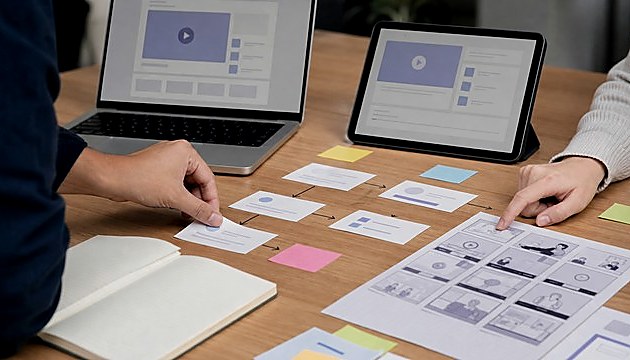
Common Video Content Formats
The format should follow the viewer's job. A buyer comparing options needs a different video than a new user learning a workflow.
- Software tutorials: step-by-step workflow videos for customers, prospects, support, and training.
- App demo videos: concise product demos for websites, app stores, launches, and sales follow-up.
- Explainer videos: clear explanations for complex products, services, platforms, or technical ideas.
- YouTube series: recurring videos built around real customer questions and product education.
- Social cutdowns: shorter versions pulled from a larger production for LinkedIn, Shorts, email, or paid placements.
- Localized versions: captions, voiceovers, and dubbed versions for teams that need localized product or training videos.
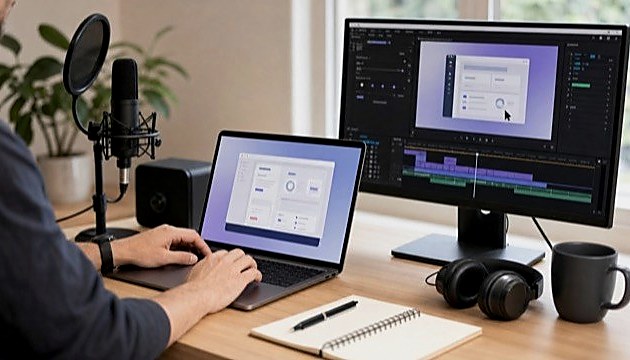
How to Plan a Video Content Library
Start with demand you can see. Sales questions, support tickets, onboarding gaps, launches, feature confusion, search queries, and customer conversations usually lead to better topics than a blank content calendar.
Group those topics by job. Some videos help people understand the product. Some help them use it. Some help them compare options. Some support customers after the sale.
That structure keeps each video grounded. It gives the video a viewer, a destination, and a reason to exist.
What to Prepare Before Production
The best video projects start with enough context to avoid guesswork.
- Audience, product stage, and the viewer question each video should answer.
- Product access, demo accounts, source footage, brand assets, and existing screenshots.
- Examples of videos you like and examples that do not fit the brand.
- Reviewers for product accuracy, legal or compliance needs, brand voice, and final approval.
- Publishing destinations such as YouTube, a website, help center, LMS, sales deck, email, or social channels.
- Needed deliverables such as full videos, cutdowns, captions, thumbnail frames, transcripts, vertical crops, or localized versions.
Examples of Video Content by Use Case
Different products need different production choices. These examples show how the goal changes the format.
- TreatAnyone Software Tutorial and Onboarding Video shows how onboarding content can explain a product workflow clearly for new users.
- Costar Consolidated Listings Software Tutorial Video is a software tutorial example where workflow clarity matters more than decorative motion.
- Channels.com: Playlist Overview shows a product walkthrough format that can support a YouTube or product education library.
- Gaia Herbs Recipe Video: Maca Matcha Latte is a brand-friendly content example built around a repeatable educational format.
- Hickory Nut Gap Farm / Whole Foods shows how story, place, and brand context can shape a larger video content program.
How YouTube Fits a Video Content Plan
YouTube can be a strong home for product-led video because people use it to search, compare, learn, and troubleshoot. It works best when the video is planned as both a channel asset and a reusable content asset.
That means the video needs a clear topic, useful title, strong thumbnail, readable captions, chapter structure, description links, and a destination beyond the upload. For a deeper look at that channel, see HiLo Media's guides to YouTube video production services and hiring a YouTube video production agency.
How HiLo Media Fits Video Content Creation
HiLo Media is a fit for companies that need video content rooted in product knowledge, not generic social posting. That can include software tutorial videos, app demo videos, explainer videos, YouTube videos, onboarding clips, product education, and reusable versions for sales, support, and training.
The practical value is in the planning as much as the edit. Decide what to show, what to remove, how the viewer should move through the idea, and how the finished video will be used after delivery.
Video Content Creation Services FAQ
What are video content creation services?
Video content creation services help a company plan, produce, edit, package, and deliver videos for YouTube, websites, product pages, help centers, sales emails, onboarding, training, and social media.
What is a video content agency?
A video content agency helps decide what videos to make, how to structure them, how to produce them, and where the finished assets should be used.
How is a video content agency different from a video production company?
A video production company usually focuses on making the video. A video content agency may also help with topic planning, formats, publishing destinations, reuse strategy, and how each video supports marketing, sales, support, or training.
What kinds of videos should product-led brands create?
Product-led brands often benefit from tutorials, product demos, feature walkthroughs, explainers, onboarding videos, launch updates, comparison videos, FAQs, YouTube series, sales clips, and customer education videos.
Can one video support multiple channels?
Yes. One production can support a full YouTube upload, website embed, sales email, help article, onboarding resource, social cutdown, captions, and transcript. It can also support future localized versions when those uses are planned early.
What should we prepare before hiring a video content creation partner?
Prepare the audience, project goal, product access, topic list, examples, brand assets, review team, publishing destinations, and required deliverables.